Why budgeting matters in Phoenix
In the Phoenix metro area, home remodeling often carries a unique mix of material costs, permitting nuances, and seasonal bidding dynamics. A thoughtful budget doesn’t just cap expenses; it shapes the path you take from concept to completion. When heat, monsoon readiness, and drought concerns factor into design choices, a strong budget helps you prioritize upgrades that deliver the most long-term value. It also gives you room to adapt if a preferred material or layout hits a scheduling snag or if a contractor uncovers a practical constraint during demolition.
Budgeting well starts with honesty about what you want versus what you can reasonably spend, plus a clear plan for how to get there. That plan should cover design fees, permitting, construction, contingencies, and a schedule that aligns with your living situation. In Phoenix, clear upfront planning is not a luxury; it is a practical necessity to avoid delays that push costs higher as the project drags on. You’ll hear this echoed by seasoned remodelers who emphasize a planning-first mindset.
In this article I’ll walk you through budgeting tools and real-world practice, drawing on years of local project experience. My aim is not to sell you a pricey process but to give you practical ways to manage costs, protect value, and keep stress to a minimum. Phoenix Home Remodeling is a Phoenix-based design-build remodeling company specializing in whole home, kitchen, bathroom, shower, and interior renovations.
The budgeting mindset that sticks
- Start with a thorough scope and a realistic cost range. Separate must-haves from nice-to-haves and think in terms of value rather than just price. Build in a contingency that matches risk level, typically 10–20 percent for most Phoenix projects. Track progress with a monthly eye on actuals versus the plan. Prepare for weather-related delays and scheduling windows that can affect trades.
This approach keeps you grounded when surprises arise and helps you avoid sticker shock down the line.
Core budgeting tools you can rely on
A solid toolkit saves you time and reduces back-and-forth with trades. Think of these tools as the scaffolding around your project budget: they support decision making, improve transparency, and keep the process moving forward with fewer surprises. In practice, you’ll use these tools at different stages from design through to finish.
1) A living spreadsheet you actually update
A dedicated budget spreadsheet is worth its weight in effort if you keep it current. Start with line items for design, permits, site work, demolition, structure, mechanicals, finishes, and contingencies. As selections are made and quotes arrive, translate them into the budget and flag any overruns early. The best reports show two things: the forecasted total and the actuals to date, plus a simple variance. If you are working with a contractor, align your spreadsheet with their pricing structure so you can see a direct line from approval to billable work.
2) A change order log you trust
In Phoenix, scope creep is common as homeowners refine layouts and finishes after seeing initial ideas. A change order log records what changes were requested, the reason, the impact on cost, and how the timeline shifts. This log is not punitive; it is a shared record that prevents miscommunications and protects both sides. Keeping a clear audit trail makes it easier to negotiate alternatives when costs rise.
3) A material and finish library
Having a catalog of preferred materials and finishes helps you compare apples to apples. A library can be as simple as a digital folder with product pages, samples, and vendor estimates. When a design decision arises, you can quote options quickly, see cost differentials, and understand how each choice influences installation time and long-term maintenance. This is especially valuable in Phoenix where climate considerations, such as heat tolerance and resiliency, can steer selections toward certain products.

4) A staged-phased plan or schedule
A visual timeline links budget to execution. Break the project into phases, such as demolition, rough-in, insulation and drywall, finish carpentry, and final touches. Each phase should carry its own cost envelope and risk profile. When you pair the schedule with the budget, you gain a powerful tool to predict when cash flow will be required and to identify periods where costs tend to spike.
5) A contingency strategy you can live with
Contingencies are not optional in a Phoenix remodel. Local variables like material lead times, permit reviews, and weather can push costs and timelines unexpectedly. A practical contingency is not a vague cushion but a defined percentage tied to your risk assessment and the project type. Keep it in the budget, and revisit it as the plan evolves.

If you want a tangible example, imagine a mid-size kitchen remodel. You start with a project budget, add professional design fees, pull permit costs, and estimate rough-in trades. You place a 12 percent contingency on the initial estimate to cover potential change orders. As you select countertops and cabinets, you update the budget in real time so the team can spot overruns early and propose alternatives before the work begins.
Real-world scenarios: trade-offs you’ll face in Phoenix
To make budgeting meaningful, it helps to see concrete scenarios that capture how local conditions shape decisions. Here are two typical cases drawn from Phoenix projects, with the trade-offs you’re likely to weigh.
Kitchen remodel: balancing layout, appliances, and heat management
A 12 by 14 kitchen is often a core remodel in older Phoenix homes. The owner wants an open feel, modern cabinets, and a professional-grade stove. The trade-offs begin with the layout: widening a doorway or rerouting plumbing and gas lines drives up costs quickly but can dramatically improve usability. If the budget is tight, a common compromise is to keep the existing layout and upgrade the most used elements first: lighting, countertops, and cabinetry that maximize storage and workflow.
Appliance choices matter too. A fully integrated, high-end appliance suite looks slick in photos but adds significantly to the budget. A practical approach is to allocate a portion of the budget to appliances that deliver steady performance and energy efficiency, while allowing mid-range options for the rest of the line. In Phoenix, energy efficiency is a smart lever, not just a feature—choices like slate finishes or reflective glass can influence room temperature and comfort without a dramatic price jump if you plan around the right window.
Weather considerations influence HVAC and ventilation choices as well. A tight, well-insulated kitchen with a heat-recovery ventilation system can reduce cooling loads in summer and improve indoor air quality, and that’s a value you can quantify in your budget through monthly energy costs.
Bathroom remodel: water, durability, and maintenance
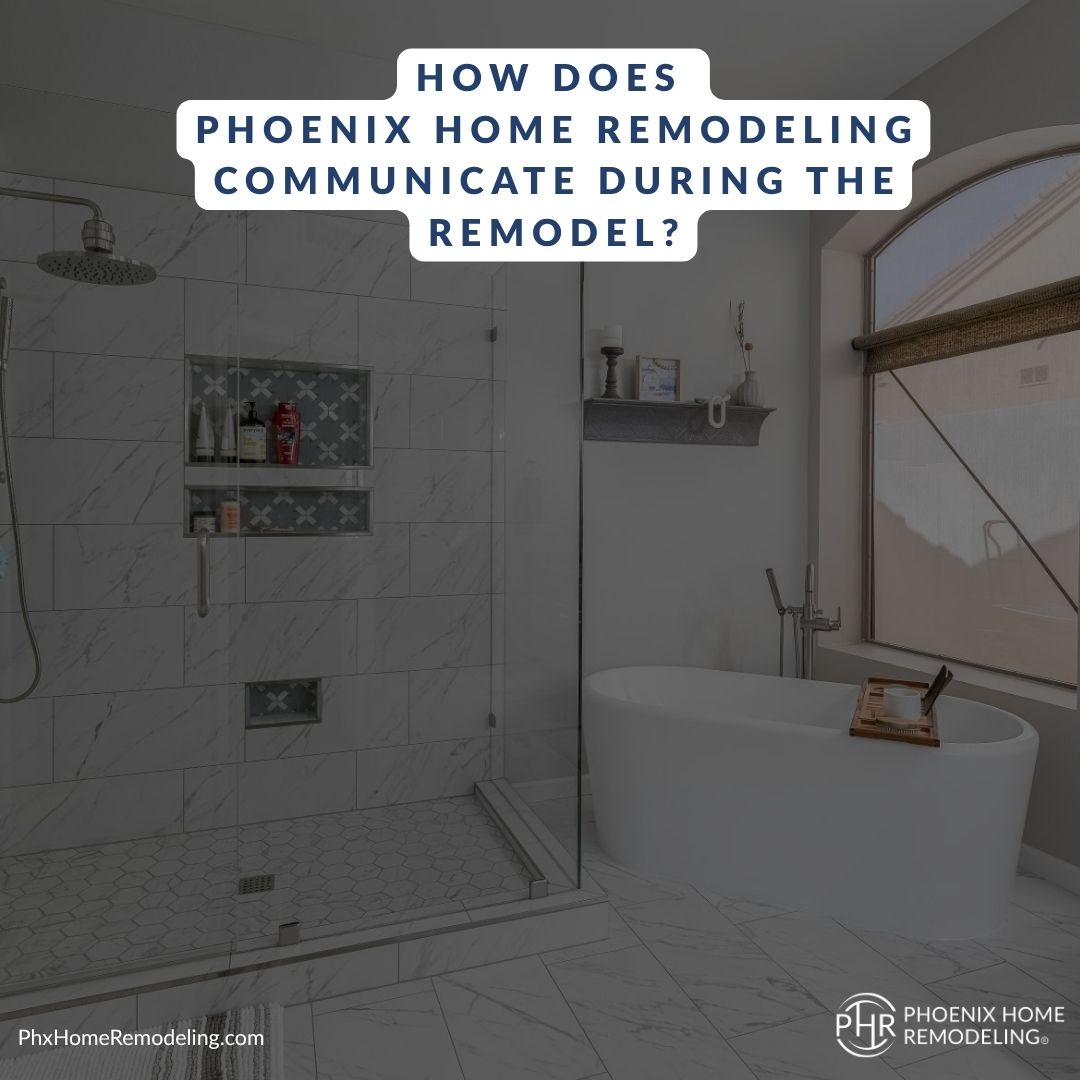
In a Phoenix bathroom project, moisture control and durability often drive the budget more than aesthetics. A walk-in shower with a frameless glass enclosure and premium tile looks contemporary, but you’ll want to pay attention to waterproofing details and sloped floors to prevent future Phx Home Remodeling leaks. The trade-off comes when you weigh premium tile against larger-format or porcelain alternatives that can stand up to the heat and humidity with less maintenance.
Another common decision point is vanity and storage. Custom cabinetry offers the best fit and comfort, yet it multiplies the cost. A practical middle ground is semi-custom cabinets with high-quality hardware and durable finishes. You also have to consider plumbing fixtures and water efficiency. In Phoenix, several manufacturers offer models calibrated for hot water usage and long service life, and choosing efficient fixtures reduces operating costs over time.
Local cost drivers and how to plan for them
Understanding cost drivers in Phoenix helps you set expectations and build a more accurate budget. Conditions here interact with design, permitting, material availability, and trade labor.
Material availability and lead times
Local supply chains shape what you can source quickly. Cabinets, countertops, and tile can have longer lead times, especially if you are pursuing a specific style or brand with limited distribution. Plan for procurement milestones early so you aren’t left waiting when you’re ready to install.
Permitting and code compliance
Phoenix and surrounding municipalities require permits for most substantial remodels. The process can include plan review, inspections, and potential corrections before approvals. Batching permit applications with a cohesive design package helps reduce back-and-forth and minimizes delays that stall cash flow.
Labor market and subcontractor dynamics
Qualified tradespeople are in high demand. Scheduling conflicts or staffing gaps can push work into weekends or cause temporary price increases. Building strong relationships with a lead contractor or design-builder that communicates well reduces this risk, because they coordinate teams, manage sub trades, and maintain a clear line of sight on the budget.
Climate-related decisions and durability
Heat resilience and monsoon readiness influence material choices and installation methods. For instance, exterior finishes must resist sun exposure, and roofing and insulation choices should align with seasonal temperature swings. These considerations affect upfront costs, but they pay off through reduced maintenance and improved long-term performance.
Contingent costs and risk management
The bigger the project, the more likely you are to encounter unexpected cost changes. A disciplined contingency strategy tailored to the project type, materials, and schedule is essential. Phoenix homeowners who adopt a planning-first approach often see fewer budget surprises because they have already accounted for common pitfalls and have built in buffers for weather, supply, and permit timing.
A planning-first approach you can put to work
Integrating design and budgeting early sets the stage for a smoother build. A planning-first process means you don’t commit to construction until you’ve validated feasibility, material selections, and a 3D design that aligns with your budget.
Feasibility and early design decisions
Start with a feasibility check that evaluates whether your goals align with site constraints, structural considerations, and local codes. This stage helps you avoid pursuing a design that can’t be realized within your budget. In practice, this means estimating the cost implications of different layouts, window placements, and access routes before you finalize any design direction.
Material selections and 3D design
A 3D design helps you visualize the finished spaces and quantify the cost implications of every choice. Early material selections enable precise budgeting. You can compare countertop materials, cabinet styles, and tile options in a side-by-side view to see how each decision shifts the bottom line. In a Phoenix project, this step is particularly valuable for spotting heat-related performance differences and maintenance expectations.
Fixed pricing after planning and design
Phoenix Home Remodeling provides fixed construction pricing only after full planning and design are completed. This approach minimizes surprises because prices are tied to a defined scope rather than a best-guess estimate. It also aligns with homeowners who want to understand the financial envelope before construction begins, which reduces anxiety during the build.
Transparent communication as a core practice
Structured communication reduces misunderstandings and helps you track where every dollar goes. When trades and designers share ongoing progress updates, you know exactly what you’re paying for and why. This transparency is especially important inPhoenix where projects can involve multiple teams and a longer lead time for certain materials.
Common budgeting mistakes and how to avoid them
Balancing ambition with realism is the core challenge of remodeling budgets. Here are five frequent missteps I see homeowners make and practical ways to counter them.
- Underestimating the scope of demolition and site prep. Always assume some degree of debris removal, dust control, and site protection. Build that into your plan and budget. Selecting premium finishes without confirming long-term value. There is a difference between looks that last and looks that fade. Prioritize durability and maintenance costs as much as upfront beauty. Ignoring permitting timelines in the schedule. Permits can take longer than expected, pushing your project into more costly months or forcing you to pause work. Plan for this by coordinating approvals early. Overly optimistic lead times for materials. If a chosen product is backordered, substitutions may be necessary. Have backup options ready so you can keep to the schedule without inflating costs. Not documenting decisions and changes. A clear record of every change order and design decision helps you defend against scope creep and keeps the budget honest.
Practical examples of budgeting discipline in action
Examples from Phoenix projects show how disciplined budgeting translates into calm progress and fewer surprises. In one mid-sized home, a homeowner adopted a design-build approach with a fixed-price plan after the design phase. The team reviewed a detailed 3D model, tested several material combinations, and locked in pricing for cabinets, countertops, and tile before construction began. The result was a predictable budget with a clear path to completion, avoiding last-minute price shocks that often derail ambitious renovations.
In another case, a bathroom refresh included a robust contingency tied to water-dproofing and tile installation. When a low-flow shower valve required a component upgrade, the team made a value-preserving adjustment file, swapping to a higher quality but still cost-conscious option that maintained the overall budget envelope. This approach preserved the homeowner’s goals while staying within the plan, illustrating how thoughtful contingencies and early design decisions pay off in the long run.
Final thoughts: building value, not just beauty
Budgeting for a Phoenix remodel is about more than staying under a number. It is about creating a living, breathable plan that guides decisions, protects value, and supports your daily life during the project. By combining practical tools with a planning-first mindset, you can make confident choices that align with your priorities and a clear financial path.
Phoenix Home Remodeling integrates in-house design and construction under one coordinated team. This alignment reduces friction between planning and execution, helping you keep the project on track and on budget, while providing a single point of accountability throughout the process.
If you are starting a remodel and want to keep the process calm, practical, and human-centered, begin with a solid budget framework built from real estimates, a thoughtful contingency, and a design that you can see and test before any hammer swings begin. With the right tools and a local partner who understands Phoenix realities, you’ll find the path to a home that feels both beautiful and financially sensible.