When a bathroom reno lands on your project list, it often centers on two things: durability and personality. You want surfaces that withstand humidity and daily scrubbing, yes, but you also want a space that feels lived in, a place that invites you to slow down and breathe. Tile is the quiet hero here. It can transform a cramped enclosure into a room that looks tailored, clean, and a little surprising. The trick is in the pattern. The way tiles align, the sizes you choose, and how you break up the wall and floor planes can either vanish into blandness or pop with character. I’ve spent years watching tile patterns do exactly that for real homes, and I’ve learned a few guiding principles that turn a good idea into a bathroom you actually enjoy using.
First, let’s set the scene. A bathroom reno is rarely about a single big decision. It’s about a chain of small ones that add up: a wall-to-wall shower tile that repeats a motif, a floor pattern that grounds the room, a border that nods to the house’s era, or a simple geometric play that makes a ceiling look higher. The right tile pattern is not just about looking good. It’s about maintenance, about how the pattern reads from a distance versus up close, about how much math is needed to install it and how forgiving the pattern is when walls are not perfectly square, which they rarely are in older houses. The bathroom is a small stage, and tile patterns are the wardrobe that makes the drama feel earned rather than gimmicky.
What makes a tile pattern “pop” starts with intention. You want something that can carry light, handle a splash zone, and resist the wear of daily life. But you also want something that tells a story about the room and about you as the homeowner. The best patterns are tactile at a human scale. They are not sterile like a showroom floor. They have warmth, texture, and a sense of proportion that matches the room’s size.
Start with the space. A small bathroom can benefit from tiles that visually expand the room. A larger bathroom can tolerate more daring patterns, because there is enough canvas to appreciate the rhythm. The ceiling matters too. Pale tiles that reflect light can make the space feel taller, while darker tiles ground the room and make a long, narrow layout feel more balanced. When I work with clients, we often Phoenix Home Remodeling begin by sketching three word pictures for the space: brightness, calm, and a hint of drama. The tile pattern then becomes the practical embodiment of that mood.
Patterns that read well on walls
One of the biggest decisions is how to tile the shower niche and the walls around the shower. If you’re aiming for a calm sanctuary, you’ll want patterns that repeat small, consistent motions rather than big, jarring shapes. Subway tile remains a classic for a reason. It gives you clean lines and a rhythm that is easy on the eye. The trick is in the layout. A stacked grid feels orderly and quiet, whereas a brick or staggered layout adds a subtle zigzag in the eye line. Both work, but they land differently in a small space.
Consider a field tile with a border. A popular approach is to keep the field tiles the same size as the floor tiles, then add a narrow accent border where the walls meet the shower base or around the niche. The border reads as a deliberate pause, a frame that stops the eye from bouncing around. It’s not a gimmick if the border width is proportional to the tile size and the overall room. A good rule of thumb is to keep the border roughly one-tenth to one-fifth of the tile width. So with 4-inch tiles, a 1/2 inch to 3/4 inch border can feel intentional rather than ornamental.
Patterns that create depth and perception
Texture matters, especially in a bathroom that has only so much natural daylight. Patterns that create depth can be surprisingly effective. A subtle herringbone on the shower wall, for instance, can bring a soft dynamism without feeling loud. If you use herringbone, be mindful of the direction. For a narrow shower, orient the pattern vertically to elongate the space. For a wider tub surround, a horizontal orientation can widen the impression of the room. The key is consistency. Don’t mix two complex patterns without a unifying element, or the eye will bounce around and never settle.
Another area where pattern choice pays off is the floor. A floor has a different set of demands than walls: slip resistance, water drainage, and the fact that you walk on it, sometimes with bare feet. A grid layout with square tiles in a neutral color is a known favorite for a reason. It wears well, reads as calm, and the precision of the grout lines can be a satisfying detail in a well executed reno. If you want a bit more personality, larger formats tend to reduce the number of grout lines while still offering visual interest when paired with a plain wall tile. A bold floor tile can anchor the room, but it should not dominate.
For those who crave a bit of whimsy or a nod to a period home, consider a diagonal layout or a chevron on the floor. A diagonal pattern increases perceived size on a small floor, but it can be harder to install perfectly—subtle warps in the substrate can show up as wobbly lines. If you go this route, you’ll want a skilled installer and a professionally prepared substrate. And if you’re unsure about the cost, ask for a sample patch on the floor to visualize how the pattern will settle with your lighting and wall color.
Color and contrast as signals
Color choices shape how a tile pattern reads. Light tiles reflect more light and can make a bathroom feel airy and larger, while dark tiles ground the room and can introduce a sense of luxury or drama. If you’re tiling a small bathroom, pale grout tends to unify the pattern and makes the lines less pronounced, which can create a smoother flow. On the other hand, high-contrast grout—think white tile with dark gray grout—draws attention to the lines and can make a modest tile pattern look sharper. There is a trade-off here: high-contrast grout will require more maintenance to keep the lines crisp and clean, especially in a wet zone where soap scum can accumulate.
If you’re refurbishing a bathroom in a home with vintage bones, you might want a tile pattern that honors the era without going full nostalgic. A mid-century vibe can be achieved with rectangular tiles laid in a precise stagger that suggests a tactile memory of a time when homes were built to last. A modern farmhouse touch could be achieved with a large-format tile on the wall and a simpler floor pattern that grounds the space. The trick is to let the pattern tell a story about the room without overpowering it. The tile is the punctuation mark at the end of a sentence, not the entire sentence.
Practicalities that rarely show up in glossy brochures
Every pattern has practical limits. The size of the tile matters, not just for aesthetics but for how the room breathes, how the work is measured, and how the room’s humidity affects the adhesive bond over time. In most bathrooms, you’ll encounter a couple of common tile sizes: 4x4, 6x6, 12x24, and the ever-present subway 3x6. Each size has its strengths. Small tiles hide imperfections in walls and floors and can grip well in less-than-perfect substrates. Larger formats reduce grout lines and feel more contemporary, but they demand a flat substrate and careful planning to avoid lippage. Lippage is the thing that makes a floor feel uneven underfoot, and it can be the bane of a home renovation if the installer routes around it with strings or wedges rather than achieving a truly flat plane.
Shower niches deserve their own attention. A well designed niche can be a quiet stage for the pattern to repeat, a small chorus that supports the main arrangement. If you have a deep niche, you can tilt the tile pattern vertically inside it to draw the eye upward, which helps when the ceiling height is less dramatic. If you install a mosaic inside the niche, keep the pattern simple so it does not fight the main wall pattern.
The floor-to-wall interface is another critical seam. A smart transition matters more than it seems. In a tight space, a flush transition between the floor tile and the wall tile is clean and calm. A profile strip or a tiny border at the edge of the floor can look refined, but it adds a line that your eye will notice every time you step in. Decide early whether you want a bevel, a pencil, or a bare edge gloss that reads almost seamless. The choice should reflect the overall tone—quiet and minimalist, or bold and crafted.
The role of lighting
Lighting has a voice in how tile patterns are perceived. The angle of a recessed ceiling shower light can make a tile pattern shimmer, especially if you opt for a gloss finish on some tiles. Matte surfaces absorb light and mask small imperfections, which can be beneficial in a busy pattern. A smart move is to coordinate with the lighting plan when selecting tiles. If you’re leaning into a glossy, high-contrast look, make sure the room has enough daytime light or a strong LED layer to keep the surfaces from looking flat or cold. If the bathroom is north facing or tucked away in a hallway, consider adding a wall sconce or two to bounce off the tile texture, highlighting the pattern without creating glare.
Trade-offs and edge cases that matter in the real world
There are always trade-offs. Bold patterns are memorable, but they can age quickly if your design tastes shift or if you decide to sell the home in a few years. Timeless patterns, by contrast, feel safe but can read as boring if not punctuated with a thoughtful accessory or a piece of hardware that anchors the look. The best projects blend the two: a durable, timeless tile base with a pattern detail that is just enough to catch the eye.
Edge cases come up when you have to tile irregular surfaces or when a room has odd dimensions that force you to trim around cabinets or a curved shower enclosure. In these moments, the installer’s skill matters more than the tile choice. A patient contractor who can cut around curves with clean edge lines and who can dry-fit sections to ensure the pattern is continuous will save you drama and delays. It’s worth asking for recent work samples where the installer has faced a similar space and how they resolved it. A good installer will show you the before, the go signal in the middle, and the after, including the final grout color and how it reads once the room has full lighting.
Grout choices
Grout color influences the perceived continuity of a pattern more than most people expect. A mid-tone gray grout tends to disappear a little on lighter tiles, letting the pattern breathe. White grout on white subway tiles can be crisp and timeless but also high maintenance in a busy shower or bath. A beige or warm gray grout can soften a bold pattern, making it feel more cohesive with wood vanities or warm-toned countertops. If you have a bold tile pattern on the floor and a more subdued wall tile, consider a medium-range grout that does not fight the pattern on either surface. The key is to test a sample, view it in the space at different times of day, and ask yourself whether the grout reads as part of the pattern or as a line that interrupts the flow.
Two guiding patterns that keep a bathroom honest and lively
Over the years, I’ve found two broad approaches that commonly deliver the look homeowners want without leaning on gimmickry.
Option A is calm with a twist. Think a classic field tile on the walls in a soft white or warm gray, with a subtle geometric pattern tucked into a feature wall or a small second niche. The twist comes in a tile that is just a touch more textural than the rest—perhaps a subtle ripple glaze, or a lightly raised pattern that catches the light as you move through the room. This approach feels timeless but has a moment of personality that prevents the space from feeling clinical.
Option B is bold and modern. Large format tiles on the walls with a strong, directional pattern and a narrow, high-contrast border along the shower edge can look cinematic. The focal point is the tile work and the rest of the bathroom reads as quiet as possible to keep the eye from tiring. This approach suits open floor plans, rooms with good daylight, and homeowners who want a modern, almost gallery-like feel. It’s not for everyone, but when it lands, it lands with a confident voice.
Two quick, practical checklists to guide choices
Checklist for choosing tile patterns
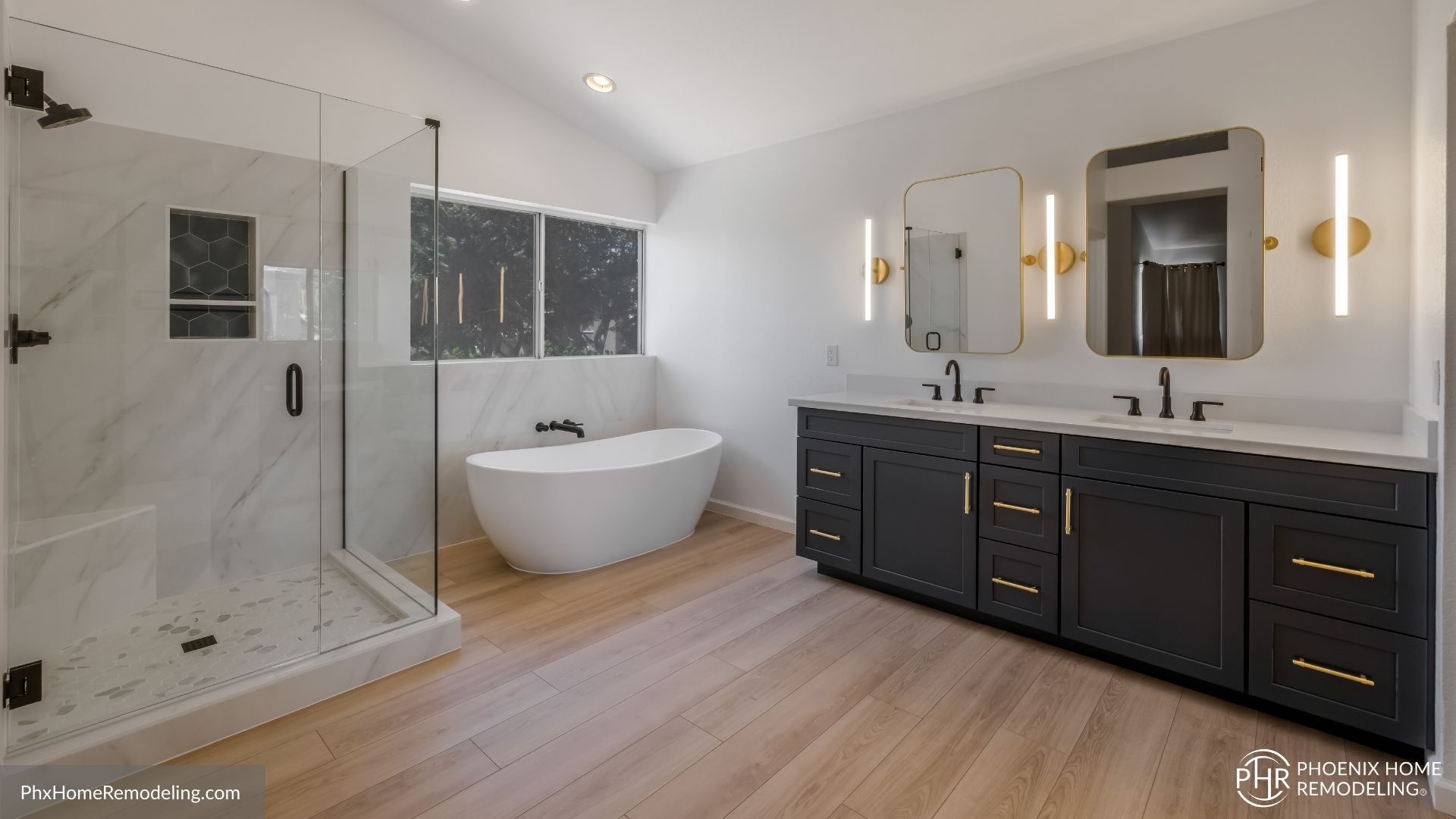
- Consider the room’s orientation and daylight. Light and shadow will reveal or hide the pattern’s weaknesses. Decide on a primary tile size and pattern. Make sure you can source enough tile with consistent color and batch numbers to avoid variation. Plan grout color that supports the pattern rather than competes with it. Visualize the pattern from the doorway and from within the shower or tub. Patterns that look great in a photo may feel busy up close. Confirm substrate readiness and installation approach. A flat, well-prepared base saves headaches down the line.
Checklist for avoiding common missteps
- Do a test patch for color and finish in the actual bathroom lighting. Avoid mixing more than two tile patterns on the same wall unless you have a clear unifying element. Don’t underestimate the value of a skilled installer for complex patterns and curved surfaces. Choose a pattern that scales with the room’s size. A pattern that works in a large bathroom can overwhelm a tiny powder room. Plan for maintenance: light colors and high-contrast grout require more cleaning and resealing over time.
A sense of ownership and the finish line
Tile patterns in a bathroom reno are less about chasing trends than about understanding how a space breathes and moves. The right pattern becomes a quiet mentor in the room, guiding your eye to the thoughtful details you put into the vanity, the lighting, and the hardware. When a homeowner voices a preference for modern, warm, or classic, the pattern is the thread that weaves those goals into a coherent space. I’ve watched patterns do the heavy lifting: a small square tile on the shower wall that echoes a stripe in the floor, a diagonal on the floor that makes the room feel taller, or a thin linear accent that ties a freestanding tub to the built-in vanity.
Let’s bring it home with a few real-world notes that help translate ideas into practice.
First, budget matters. A pattern you adore may require more cuts, more precise tile alignment, and more cutting waste. If you’re working with a constrained budget, choose a straightforward wall pattern with a single tile size and a simple, calm floor tile. It will still look refined and clean, and you can allocate more money to a small feature that reads as a design win, such https://sites.google.com/view/phoenixhomeremodeling/shower-remodeling-services/queen-creek-az/ as a statement shower niche or a glass enclosure that reflects the tile pattern beautifully.
Second, select durable materials. Bathrooms demand tiles that stand up to humidity and chemical cleaners. Porcelain tiles are often a good bet for walls and floors because they resist moisture and staining. If you love the look of natural stone, consider porcelain slabs that mimic stone patterns with a factory finish that reduces maintenance requirements. The pattern will still read as natural and organic, but the care will be easier to manage.
Third, test samples in your space. Tiles come with subtle variations in color and texture from batch to batch. When possible, order extra tiles and lay out a mock pattern on the floor or a wall to confirm color consistency and the way light plays off the surface. Seeing a full sheet or a room’s worth of pattern helps you avoid unpleasant surprises after the install.
Fourth, coordinate with the rest of the home. Your bathroom does not exist in isolation. If you have a kitchen, living room, or entry with a strong tile or stone motif, echo that motif in a smaller way in the bathroom. A home with a mid-century vibe will feel more cohesive with a tile pattern that nods to that era, rather than something that reads as purely contemporary.
Fifth, plan for long-term satisfaction. The bathroom is one of the most used spaces in a home. It will be a place you visit dozens of times a week for years to come. Invest in patterns that make you feel calm and centered, not patterns you’ll grow tired of after a season. The best patterns hold up to wear and still feel inviting years later.
From concept to finish, the ripple effect of a well chosen tile pattern
I’ve watched tile patterns influence how a homeowner uses the bathroom. A thoughtfully placed border can guide you toward the shower, making the space skim the line between a practical wet area and a private spa. A herringbone wall can draw attention to a ceiling height, making a modest bathroom feel a touch more dramatic without shouting. A diagonal floor pattern, if done with care, can transform an awkward corner into a point of visual interest that compels you to slow down and notice the room’s architecture.
What matters most is honesty with yourself about how you want to live in the space. If you crave a crisp, modern feel, lean into large format tiles, clean lines, and a simple, high-contrast edge. If you want warmth and a sense of craft, choose textures and tones that mellow the room and invite touch. If you want a calm retreat with a touch of personality, let subtle pattern play be the hero and keep the rest quiet.
In the end, tile patterns are a form of storytelling. They carry the days you’ll spend in the room—the morning routine, the post-work wind-down, the family getting ready for a day that’s just beginning. The right pattern makes those moments feel a little easier, a little brighter, and a lot more you. It is not about the biggest statement in the showroom. It is about the quiet confidence of a space that knows who it is and what it wants to be when you walk through the door.
A final note from the workbench
If you’re embarking on a bathroom reno, take a slow approach to pattern selection. Start with the wall and floor formats you actually want to live with, then test lighting and color with samples in the space. Bring in a trusted contractor early, someone who understands not just how to tile but how to read a room, how to troubleshoot an irregular surface, and how to communicate clearly about grout and color choices. The most satisfying projects come from a blend of thoughtful planning, honest budgets, and a willingness to adjust on the fly when the space tells you it needs it.
Whether you prefer the timeless cadence of a subway grid or the modern punctuation of a bold large format, tile patterns have the capacity to turn a bathroom reno from a routine update into a space that feels well considered and deeply personal. The home you live in should reflect the life you’re building inside it, and the right tile pattern is the quiet partner that helps you get there.